
India's sugar consumption is projected to fall by nearly 400,000 tonnes in the 2025-26 season, primarily due to the ongoing liquefied petroleum gas (LPG) shortage exacerbated by the West Asia conflict and unseasonably cool weather.

The Indian government has waived customs duty on critical petrochemical products until June 30 to ensure supply stability and provide relief to consumers amid disruptions caused by the crisis in West Asia.

India, with the increases already made in the January-March loading plans from Iran, has to cut its purchases of the crude to about 110,000 barrels per day.

Moody's Ratings has reduced India's GDP growth forecast for 2026 to 6 per cent, citing subdued private consumption, capital formation, and industrial activity due to higher energy costs and global uncertainties.

In a statement issued by Iran's consulate in Mumbai, it said, "At present, Iran essentially has no floating crude or surplus available for international markets. The US Treasury Secretary's remarks appear aimed at reassuring buyers and managing market sentiment."

'The real shock is going to be from a deficient monsoon.'

Applying random products on your skin, just because they are trending, may damage or weaken your skin barrier, warns Dr Rupika Singh, dermatologist and founder of Akiya Aesthetics.
Edible oil imports of India, the world's largest importer, have touched an all-time high of 51.14 lakh tonnes in November-October 2002-03, up 16 per cent over last year's 44.25 lakh tonnes.

The Delhi High Court has dismissed a lawsuit by news agency ANI against OpenAI, ruling that ChatGPT's use of copyrighted material for training large language models (LLMs) constitutes fair dealing under the Copyrights Act. The court emphasised that restraining AI development would be detrimental to India's growth in the field and public interest.
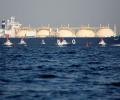
Analysts predict India will face oil price volatility and macroeconomic effects due to the escalating Iran crisis, though the country's oil supply chain is not yet structurally insecure.

The targeted eastern area is of immense strategic importance, as it is where the "majority of the country's oil resources are located."

'In all these years of rupee depreciation, of rising oil prices, of inflation caused by import dependence, not one leader had the courage to look the people in the eye and say: Please do this for your country.'

Indian benchmark stock indices, Sensex and Nifty, surged over 1 per cent, driven by optimism surrounding potential US-Iran peace talks and a significant drop in crude oil prices below the USD 100 per barrel mark. This de-escalation in geopolitical concerns and easing inflation pressures provided a substantial boost to investor sentiment.

Amidst the ongoing conflict in West Asia, the Oil Ministry assures citizens that India's LPG supply remains secure, with no need for panic booking of cylinders. The normal delivery cycle of two-and-a-half days is being maintained, and crude oil is being sourced from diverse routes.

Indian oil-marketing companies (OMCs) have incurred LPG underrecoveries of approximately Rs 22,000 crore between March and May 2026, as domestic cooking gas prices failed to keep pace with surging international rates exacerbated by the West Asia crisis, according to a Crisil report.

Historically, India was a major buyer of Iranian crude, importing significant volumes of Iranian light and heavy grades due to strong refinery compatibility and favourable commercial terms.

Formerly Iran's second-largest oil customer, Indian financial institutions were forced to withhold crude oil payments following the 2018 US sanctions.
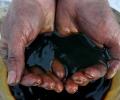
India's crude oil import bill is set to exceed $100 billion in the current fiscal year ending March 31, almost double its spending last year, as international oil prices trade at seven-year highs. India spent $94.3 billion in the first 10 months (April-January) of the ongoing financial year that started April 1, 2021, according to data from the oil ministry's Petroleum Planning & Analysis Cell (PPAC). It spent $11.6 billion in January alone when oil prices had started to surge.

India is set to reduce its direct imports of Russian crude from late November, following new US sanctions on Rosneft and Lukoil, effective November 21.

Prime Minister Narendra Modi flagged off India's first hydrogen-powered train connecting Jind to Sonipat in Haryana, marking a significant milestone in the country's journey towards clean and sustainable railway mobility and showcasing the success of the 'Make in India' initiative.

Petrol price has been increased by 87 paise in Delhi from Rs 98.64 to Rs 99.51 per litre. Diesel rates have gone up by 91 paise from Rs 91.58 to Rs 92.49.

'I don't see fear becoming a dominant factor for retail investors.'

The report notes that equities had faced pressure from elevated valuation premiums, subdued nominal gross domestic product (GDP) and earnings growth, sustained foreign portfolio investor (FPI) selling, artificial intelligence (AI) infrastructure euphoria, and external shocks including US tariffs and a spike in crude oil prices due to geopolitical tensions in West Asia. However, several of these factors are now reversing.
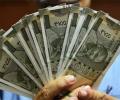
The rupee recovered to 95.18 against the US dollar after hitting an all-time intra-day low of 95.44. The recovery was supported by possible RBI intervention amid renewed Gulf tensions and rising crude oil prices.

Prime Minister Narendra Modi has appealed to citizens to adopt austerity measures, including avoiding destination weddings abroad and reducing edible oil consumption, to mitigate the impact of the West Asia crisis on India's economy.
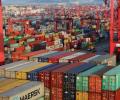
India's exports recorded a 13.78 per cent increase to USD 43.56 billion in April, marking the highest monthly outbound shipments in over four years, primarily driven by petroleum products. However, the trade deficit widened to a three-month high of USD 28.38 billion due to a 10 per cent rise in imports.

The government on Thursday restored liquefied petroleum gas (LPG) supplies to commercial consumers such as hotels, restaurants and other businesses to pre-crisis levels, and lifted sector-specific restrictions imposed during the recent West Asia conflict, in a sign that energy supply concerns are easing as global markets stabilise.

Indian-flagged vessels are navigating the Strait of Hormuz safely despite ongoing tensions in the region, ensuring the continued flow of vital energy supplies to India.

Go once. You will know, even before you board the flight home, that you will return.

A potential US-Iran peace deal, expected to be signed on June 19, is anticipated to ease geopolitical stress and benefit various sectors, particularly in India, with analysts suggesting investors await finer details before making significant moves.

Indian benchmark indices Sensex and Nifty surged significantly in early trade, tracking a global rally fueled by US President Donald Trump's declaration of an end to the war with Iran and a subsequent drop in crude oil prices.

United States President Donald Trump on Wednesday claimed that India will significantly reduce Russian oil imports by year-end, citing Prime Minister Narendra Modi's assurance.

Petrol and diesel prices in India have been increased by Rs 3 per litre each, marking the first rate hike in over four years. This decision follows a period of stable prices during recent state elections, despite rising global crude oil prices and significant losses for fuel retailers.

The Indian rupee rebounded against the US dollar after the Reserve Bank of India (RBI) restricted banks' net open positions in dollars. This move prompted banks to sell dollars, providing temporary support for the rupee amidst ongoing geopolitical tensions and rising oil prices.

Asian Development Bank (ADB) on Friday warned that India's limited crude oil reserves of about 100 million barrels - sufficient for only 40-45 days of consumption - leave the country particularly vulnerable to supply disruptions through the Strait of Hormuz amid the ongoing war in West Asia.
Surging global crude oil prices failed to shore up customs revenue substantially as India Inc resorted to advance licence scheme, which allows duty-free imports for value-added exports.

India's retail inflation rose to 4.38 per cent in June, driven primarily by costlier food items, pushing it above the Reserve Bank of India's median target of 4 per cent for the first time under the new series.
